
Some people’s roses bloom like waterfalls, while yours seem to wither one by one. The truth is, it’s not that you lack a green thumb—it’s that the method wasn’t right. This guide will teach you step by step how to grow roses that burst with flowers, so you can finally stop envying others’ gardens.
Choosing and Planting the Right Seedlings
Many people plant roses with random garden soil and wonder why the leaves yellow and roots rot within months. Roses, like people, need proper nutrition. The best soil mix is: 3 parts leaf mold + 2 parts garden soil + 1 part river sand. Leaf mold is nutrient-rich, and river sand improves drainage and aeration so roots grow strong. Place some crushed bricks or clay pebbles at the bottom of the pot to prevent waterlogging. Avoid using pure nutrient soil—it retains too much water, and your roses can easily rot in summer.
Planting timing is crucial. Spring (March–April) and autumn (September–October) are ideal, with temperatures between 15–25℃. Summer planting risks sunburn, and winter planting may stunt seedlings. When you receive a seedling, trim off rotten or black roots and soak it in a fungicide solution for 20 minutes. Dig a hole just deep enough for roots to stretch naturally, fill with soil, press lightly, and water thoroughly. Let the seedling rest in shade for 3 days before gradually exposing it to sunlight.
Choose seedlings with green leaves and thick stems, preferably with buds. Cheap, weak seedlings may save money initially but often cost your patience.


Sunlight and Watering
Roses are tough—they need at least 6 hours of sunlight daily. Weak branches or few flowers usually mean insufficient light. In summer, provide midday shade to prevent leaf burn. In winter, move pots indoors or cover ground-planted roses with straw if temperatures drop below 5℃.
Watering is all about “dry then wet”. Insert your finger about 2 cm into the soil; water only when dry. During the growing season, water with urea solution every 10 days to promote leaf growth. Before flowering, switch to potassium dihydrogen phosphate to boost bud development. Overwatering or compact soil is the reason 90% of roses die.
Fertilizing and General Care
Base Fertilizer: In early spring, apply half a pound of well-rotted chicken manure per plant.
Growing Season: Mix compound fertilizer (N-P-K = 10-20-20) into the soil to encourage stems and leaves.
Flowering Stage: Spray leaves with potassium dihydrogen phosphate (1:1000) for buds the size of eggs.
If the plant shows iron deficiency, water with ferrous sulfate every two weeks. If nitrogen is excessive, stop urea and focus on phosphorus-potassium fertilizers.

Pruning: The Key to Continuous Blooms
Winter Pruning
When: December to January (dormant period)
Method: Cut all dead, diseased, or weak branches. Keep healthy branches with 3–5 buds, 30–40 cm high.
Example: Last winter, Mrs. Wang in Shijiazhuang heavily pruned her roses. This spring, new branches grew taller than her, with dense buds everywhere.
After-Flower Pruning
When: After each blooming cycle
Rule: “Keep 2, remove 1” — count down to the second small leaf from the spent flower, and prune 0.5 cm above it. Within 15–20 days, new buds appear, keeping your roses blooming all summer.
Common Pests and Diseases
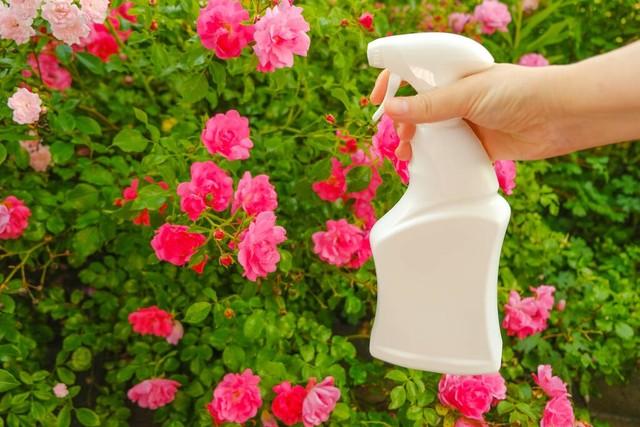
Powdery Mildew: White powder on leaves and stems. Remove affected leaves and spray with diluted Luna-Sen fungicide. Home remedy: 5g baking soda + 10ml white vinegar + 1L water, spray 3 times.
Red Spider Mites: Tiny red dots on leaf undersides; severe infestations cause leaf drop. Alternate sprays of miticide and abamectin, 3 times, once per week.
Aphids: Spray with diluted laundry soap for 3 consecutive days.
Summary
Follow this step-by-step method, and your roses can bloom like a flower wall next year. From choosing seedlings, soil preparation, watering, fertilizing, pruning, to pest control, every step matters. Master these tips, and you won’t have to envy anyone else’s spectacular roses anymore.
Original article author:Fragrant Road Full,If reprinted, please indicate the source.:https://www.theroadfull.com/article/3891.html